
How to Import Electric Clothes Drying Racks from China: 10 Key Steps
Importing electric clothes drying rack from China can give retailers access to broad product choices, OEM/ODM options and scalable production. This guide explains ten issues to check before placing an order—from supplier verification and product compliance to packaging, quality control and after-sales support.
Importing electric clothes drying rack from China can help retailers expand their indoor laundry category with products designed for compact homes, wet seasons and consumers seeking an alternative to energy-intensive tumble drying. China offers a mature supply chain for aluminum frames, heating components, electronic controls, packaging and private-label production.
However, a low quotation does not automatically create a profitable retail program. The real result depends on product-market fit, compliance, consistent manufacturing, packaging performance and the supplier’s ability to support repeat orders.
Before comparing unit prices, retailers should understand the following ten factors.
1. Define the Target Market and Product Positioning First
The right electric drying rack depends on where and how it will be sold. A model suitable for the UK may require a different plug, voltage, instruction manual, product name and retail message from one intended for the EU, Australia or North America.
Start by defining:
Target country or countries
Sales channel: supermarket, home-appliance retailer, online marketplace or distributor
Intended retail price range
Preferred product type: winged, multi-tier, compact or covered
Required plug, rated voltage and frequency
Expected drying capacity and folded storage size
Target users, such as families, apartment residents or students
Required compliance documents, labels and recycling registrations
Naming also matters. “Heated airer” and “heated clothes airer” are familiar terms in the UK, Ireland and Australia, while “electric clothes drying rack” may be clearer in other markets.
Retailer action: Send suppliers a written product brief before requesting a final quotation. Otherwise, prices may be based on different configurations and cannot be compared accurately.

2. Verify Whether the Supplier Can Actually Manufacture the Product
An attractive website or online profile does not prove that a supplier controls production. Retailers should distinguish between a manufacturer, a trading company and a sourcing intermediary.
Ask for evidence of:
Factory address and business registration
Production-line photos
Current social or quality audit reports, where relevant
Quality-management procedures
In-house testing capabilities
Monthly capacity for the product category
Experience supplying the retailer’s target market
References or examples of comparable projects, subject to confidentiality
During an audit, look beyond the showroom. Check incoming-material inspection, assembly controls, electrical testing, finished-goods storage, non-conforming product handling and traceability records.
A supplier with real production control should be able to explain how aluminum tubes, plastic joints, heating elements, power cords and controls are inspected—not simply repeat a list of certifications.
Retailer action: Conduct an onsite audit or third-party audit before a major first order.
3. Build the Compliance Plan Before Customization
Electrical product compliance is market-specific. A certificate or test report for one model, voltage, plug or controller may not automatically cover another configuration.
For the EU, relevant requirements may include the Low Voltage Directive, EMC Directive, RoHS, CE marking, technical documentation and an EU Declaration of Conformity. The General Product Safety Regulation (GPSR), applicable since 13 December 2024, also adds horizontal consumer-product safety and traceability obligations. Depending on how the product is placed on the market, WEEE and packaging-related producer responsibilities may also apply.
For Great Britain, applicable electrical safety, EMC and RoHS requirements must be checked. Current UK guidance allows relevant electrical equipment to use either CE or UKCA marking in Great Britain, but importers still have responsibilities for documentation, identification, storage, transport and corrective action. UK WEEE obligations should be assessed separately.
Other markets may require different approvals, test standards, plugs, labels or importer registrations. Retail acceptance criteria may also be stricter than the legal minimum.
Before ordering, confirm that reports and declarations:
Identify the exact manufacturer and model
Cover the intended voltage, plug and electronic control
Refer to current, applicable standards
Come from a credible laboratory or certification body
Match the product construction and bill of materials
Include required labels, warnings and user instructions
Do not treat a CE logo printed on a carton as evidence of compliance. EU importers are expected to verify that the manufacturer has completed the appropriate conformity assessment and documentation.
Retailer action: Have a qualified compliance specialist review the exact sales configuration before approving packaging or mass production.

4. Test a Production-Representative Sample
A sample is not only for evaluating appearance. It should confirm that the actual product meets the retail brief and can withstand normal use.
Evaluate at least:
- Heat-up behavior and temperature consistency
- Actual power consumption
- Cord length, plug quality and cable strain relief
- Frame stability on a level floor
- Folding and unfolding operation
- Joint strength and repeated-cycle durability
- Sharp edges, pinch points and accessible hot surfaces
- Spacing and number of heated rails
- Load performance under the agreed test method
- Controls, timer or temperature settings, if included
- Product dimensions, folded size and net weight
- Odor, noise and finish quality
The approved sample should use the final plug, control system, heating components and key materials. A generic showroom sample is not enough if mass production will use a different bill of materials.
Retailer action: Sign and retain a “golden sample” that becomes the visual and functional reference for production and inspection.
5. Check Every Product Claim Against Measured Specifications
Product pages often use phrases such as “fast drying,” “energy efficient” or “large capacity.” These messages can be useful, but retailers need measurable data behind them.
Clarify:
- Total number of rails versus number of heated rails
- Rated power and voltage
- Typical operating temperature under stated test conditions
- Heat-up time and how it was measured
- Drying space or total hanging length
- Maximum distributed load and test method
- Open and folded dimensions
- Net and gross weight
- Material grade and surface treatment
- Ingress-protection rating, only where verified
For energy messaging, use a transparent calculation. Estimated electricity use equals rated power in kilowatts multiplied by operating time in hours. Real use can vary with loading, room temperature, ventilation, fabric type and moisture level.
Avoid implying that a heated rack provides the same mechanical action or drying speed as a tumble dryer. A more credible position is gentle, space-efficient indoor drying support with comparatively low rated power.
Retailer action: Approve a final specification sheet and claims matrix before photography, packaging and online listings are produced.
6. Compare Total Landed Cost, Not Only the Unit Price
Two quotations can show the same product price but create very different landed costs.
Confirm whether the quotation includes:
- Product configuration and accessories
- Plug, cord and control options
- Retail packaging and protective inserts
- Printing plates, artwork setup or tooling
- Product testing and certification costs
- Spare parts or replacement units
- Export carton and pallet requirements
- Inspection fees
- Incoterm and named port or place
- Payment terms and currency
EXW, FOB, CIF and DDP quotations allocate costs and responsibilities differently. Retailers should understand who manages export clearance, freight, insurance, import declarations, duties, taxes and local delivery. A customs broker can help validate the tariff classification and destination charges.
Low MOQs may carry higher component, packaging and testing costs. Conversely, accepting a high MOQ before validating demand can create expensive inventory risk.
Retailer action: Build a landed-cost model per sellable unit, including compliance, freight, duty, warehousing, returns and expected defect allowance.
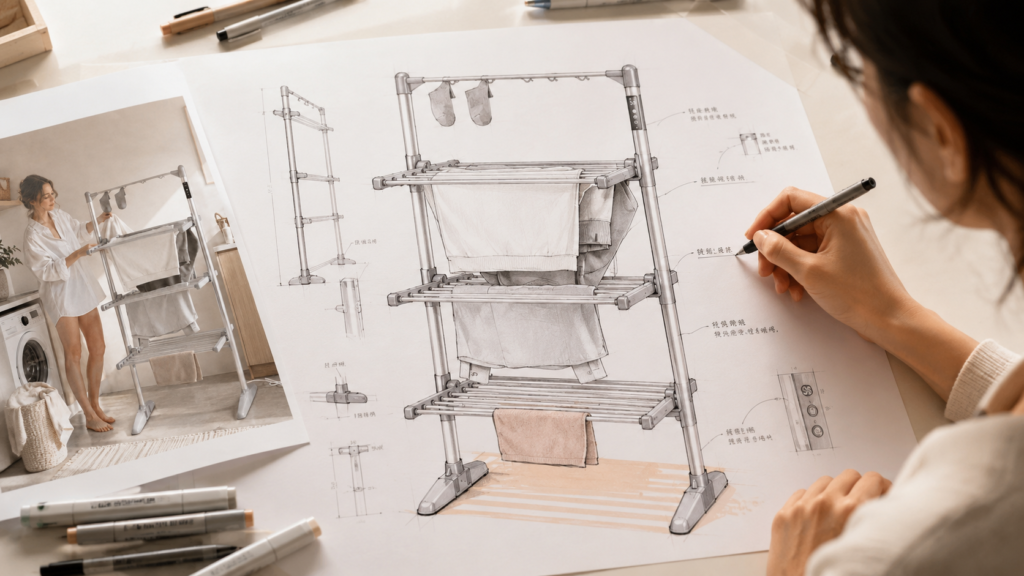
7. Control OEM and ODM Changes Carefully
Private-label projects can involve more than adding a logo. Common options include product color, plug type, cord length, packaging, instruction manuals, accessories, digital controls, timers and temperature settings.
Every change can affect cost, lead time, tooling and compliance. A new controller, heating element, plug or structural component may require additional assessment or testing.
Use a controlled approval process covering:
- Product specification
- Bill of materials
- Drawings and dimensions
- Color standard
- Branding locations and size
- Rating label
- Packaging dieline and artwork
- Instruction manual and required languages
- Approved sample
- Change-notification procedure
The purchase order should state that material or component substitutions require written approval. This helps prevent unreviewed changes after the first successful production run.
Retailer action: Freeze the specification and packaging only after compliance review and sample approval.
8. Design Packaging for Retail, E-Commerce and International Shipping
Electric clothes drying rack are relatively large products with long rails, folding joints and power cords. Poor packaging can lead to bent frames, scratched finishes, broken plastic parts or damaged plugs even when the factory’s assembly quality is good.
Review:
- Product position inside the carton
- Protection around corners, joints, controls and plugs
- Cord restraint and plug isolation
- Resistance to vibration, compression and drops
- Moisture protection for sea transport
- Carton strength and closure method
- Retail handles and e-commerce requirements
- Carton dimensions, gross weight and container loading quantity
- Country-of-origin, importer and recycling markings
- Barcode location and scannability
Do not approve packaging from a rendering alone. Test a complete packed sample. If the item will be sold online, the distribution test should reflect parcel-network handling rather than only palletized transport.
Retailer action: Include packaging criteria in the inspection checklist and document the final packing method with photos.

9. Agree on Quality-Control Standards Before Production
“Good quality” is not an inspection standard. Retailers and suppliers should agree on measurable requirements before production starts.
A practical quality plan can include:
- Incoming inspection of aluminum tubes, plastic parts, heating components and cords
- First-article confirmation
- In-process checks for assembly, wiring and fasteners
- End-of-line electrical safety tests
- Functional heating and control checks
- Visual inspection for scratches, gaps and color variation
- Frame stability and folding checks
- Packaging verification
- Lot traceability
- Pre-shipment inspection using an agreed sampling plan
Define critical, major and minor defects, along with acceptance limits. Critical safety defects should not be treated the same as small cosmetic issues.
For the first order, consider an independent pre-shipment inspection. Review the report before authorizing the remaining payment or shipment.
Retailer action: Attach the quality specification, defect classification and inspection method to the purchase agreement.

10. Plan Lead Time, Seasonal Demand and After-Sales Support
Heated airers often have seasonal demand. A late shipment can miss the strongest retail window even when the product itself is acceptable.
Ask the supplier to separate:
- Sample-development time
- Compliance testing time
- Packaging-development time
- Raw-material preparation
- Pilot-run schedule
- Mass-production time
- Inspection and rework allowance
- Booking and port lead time
Account for Chinese public holidays, peak production periods, shipping volatility and destination customs clearance. Build a buffer into the launch plan rather than using the supplier’s factory completion date as the store-ready date.
After-sales terms should define the warranty period, spare-parts availability, defect evidence, response time, credit or replacement method and responsibility for repeat failures. The supplier should also be able to trace affected production batches and support corrective action.
Retailer action: Place the first order early enough to allow a pilot run, inspection and corrective action before the main selling season.
Questions to Ask Before Choosing a Supplier
Use this shortlist during supplier evaluation:
- Are you the manufacturer of this exact product category?
- Which markets currently buy comparable models?
- Which test reports cover the exact configuration quoted?
- Can you provide the technical file and Declaration of Conformity required for our market?
- Which rails are heated, and how are temperature and power measured?
- What components are safety-critical, and who supplies them?
- What is the MOQ for the standard product and for custom packaging?
- Which changes require new testing or tooling?
- How do you control component substitutions?
- What electrical and functional tests are performed on every unit?
- What are the carton dimensions, gross weight and container quantities?
- Can you support third-party factory and pre-shipment inspections?
- What is the realistic lead time during peak season?
- How are defects, spare parts and warranty claims handled?
- How do you maintain consistency across repeat orders?
Frequently Asked Questions
What is the typical MOQ for electric clothes drying rack from China?
MOQ depends on the product, component availability, packaging and degree of customization. A standard model with neutral packaging may have a lower MOQ than a private-label product requiring custom colors, controls, cartons or new testing. Retailers should ask for separate MOQs for product production, color, packaging and spare parts.
How can retailers verify an electric drying rack supplier in China?
Review business registration, factory location, production evidence, audits, quality systems, testing facilities and export experience. An onsite audit, live factory tour or independent third-party audit can confirm whether the supplier controls the relevant manufacturing processes.
Is CE marking enough to sell an electric clothes drying rack in the EU?
No. CE marking is part of the conformity process, not a stand-alone purchasing certificate. The exact product must meet all applicable rules, and the responsible economic operators must complete their own obligations. Importers should review the Declaration of Conformity, technical documentation, test evidence, traceability, labels and instructions for the final model.
Should retailers order a sample before mass production?
Yes. The sample should represent the final sales configuration, including plug, voltage, controls, materials and key accessories. After approval, retain a signed golden sample for production and inspection reference.
Which Incoterm is best for importing electric clothes drying rack?
There is no single best Incoterm. The right choice depends on the retailer’s freight capability, customs arrangements, risk tolerance and desired control. Compare quotations on the same named place and Incoterm, and confirm who pays each cost and performs each customs obligation.
Work With an Experienced Electric Drying Rack Manufacturer
A successful import program requires more than finding a competitive price. Retailers need a supplier that can support product development, manufacturing control, testing, packaging and repeat-order consistency.
Founded in 2008, EVIA focuses on electric clothes drying rack, electric towel warmers and electric shoe dryers for international B2B customers. Our 12,000 m² factory, three production lines, in-house product-development capabilities and OEM/ODM support help retailers, distributors and private-label brands build products for their target markets.
Planning a new heated airer or electric drying rack range? Contact EVIA to discuss product selection, customization, compliance support, samples and quotations.
Official Regulatory References
- European Commission: Low Voltage Directive 2014/35/EU
- European Commission: EMC Directive 2014/30/EU
- European Commission: Importer and distributor responsibilities
- Your Europe: Preparing technical documentation
- EU Access2Markets: General Product Safety Regulation
- Your Europe: WEEE responsibilities
- UK Government: Electrical Equipment (Safety) Regulations 2016
- UK Government: Placing UKCA or CE marked products on the GB market
- UK Government: WEEE regulations
Compliance note: This article provides general commercial information and is not legal advice. Product requirements vary by configuration, sales channel and destination market. Retailers should confirm current obligations with qualified compliance and customs professionals before placing products on the market.